Creatine Effervescent Tablets: A Guide to Formulation, Sampling and Packaging
Developing creatine effervescent tablets starts with more than choosing a creatine amount. Brands also need to define the finished tablet size, tablets per serving, preparation conditions, flavor and moisture-protective packaging.
These decisions work together. Changing the ingredient target may change the tablet weight. Changing the number of tablets per serving changes the servings per tube. Choosing a smaller water volume creates a different taste and preparation target.
For a private-label project, the most useful starting point is a clear product brief that connects the formula with how the customer will prepare and use the finished product.
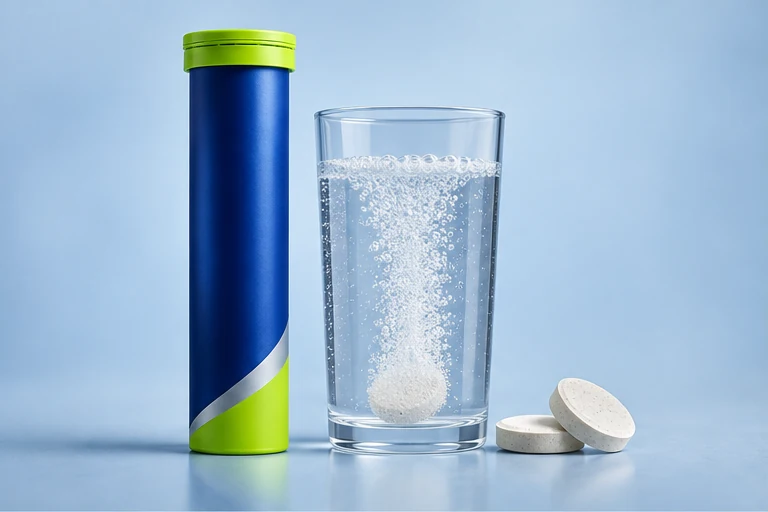
Illustrative packaging concept. This image does not represent a validated creatine formulation or an approved finished product.
1. Define the Serving Before Choosing the Tablet Size
A product brief should distinguish between ingredient quantity per serving and total finished tablet weight.
The finished tablet includes the creatine ingredient, the effervescent system and other required ingredients. Its total weight therefore cannot be calculated from the creatine target alone.
Before sampling, agree on the following:
Specification
What the brand should clarify
Creatine ingredient
The requested ingredient form and specification
Ingredient amount
The quantity per serving and the basis used to express it
Tablets per serving
Whether the concept allows one or multiple tablets
Preparation
Intended water volume, temperature and stirring instructions
Flavor
Preferred flavor, sweetness and acidity
Retail pack
Tablet count, intended servings and packaging preference
If the ingredient specification expresses creatine content differently from the proposed label, resolve that difference before approving artwork.
A useful brief describes both what goes into the product and how one serving will be prepared.
2. Why Creatine Content Is Only Part of the Formula
Effervescent tablets need ingredients that create the effervescent reaction, alongside flavoring, sweetening and any processing ingredients required for the formulation.
This leaves several questions for development:
Can the complete formula fit within a practical tablet size?
Can the tablet withstand handling and packaging?
Does it break apart acceptably under the agreed preparation conditions?
Is the prepared drink acceptable in taste and appearance?
Increasing the creatine target without reviewing the rest of the formula does not establish manufacturing feasibility. A larger tablet also needs to be checked against available equipment and packaging dimensions.
For this reason, tablet dimensions and finished weight should be confirmed through development rather than inferred from a product concept.
3. Tablets per Serving Change the Packaging Plan
A multi-tablet serving may be considered when reviewing the amount required in each tablet. It also changes the consumer instructions and the number of servings in the retail pack.
For example, the same 12-tablet tube represents:
Tablets per serving
Servings per 12-tablet tube
1
12
2
6
3
4
This is a packaging calculation, not an intake recommendation or confirmation that a particular formula is feasible.
Confirm this relationship before designing the label. “12 tablets” and “12 servings” describe different quantities unless the serving is one tablet.
Tube selection must also account for the finished tablet diameter, thickness, closure and any required moisture-control components.
4. Evaluate the Prepared Drink Under Consistent Conditions
Sample feedback is most useful when both the brand and manufacturer use the same preparation method.
A tablet tested in a small glass of cold water cannot be compared directly with one tested in a larger volume of warmer water with stirring.
Use a sample evaluation sheet covering:
Check
What to record
Preparation
Tablet count, water volume and temperature
Breakup
Time until no intact tablet remains
Appearance
Cloudiness, foam and visible residue
Taste
Flavor strength, sweetness, acidity and aftertaste
Handling
Chipping, cracking or excessive loose powder
Acceptance
Approved points and requested adjustments
Tablet breakup and ingredient dissolution are separate observations. A tablet breaking apart does not, by itself, demonstrate that every ingredient has dissolved or that the drink will be completely clear.
Prepared-drink stability also needs separate consideration from dry-product shelf life. Published research on solutions prepared from a particular effervescent creatine powder formulation found changes during storage. Those findings do not establish the shelf life or preparation instructions of a different finished tablet product. [1]
5. Plan Moisture Protection Before Finalizing the Pack
Packaging should be reviewed alongside the formula, rather than selected only after the sample tastes acceptable.
General dosage-form guidance identifies effervescent tablets as moisture-sensitive and describes protective containers, moisture-proof packs and, where appropriate, moisture-absorbing components. This is a pharmaceutical reference for the handling principle; it does not determine the regulatory requirements for a food supplement. [2]
For an OEM project, discuss:
The tube or individual-pack barrier requirements.
Closure design and compatibility with the tablets.
Whether a suitable desiccant system is needed.
Protection during transport and storage.
Repeated opening during normal consumer use.
Stability evaluation in the intended final packaging.
A custom label or gift box can support the brand presentation, but the primary pack still needs to provide the required protection.
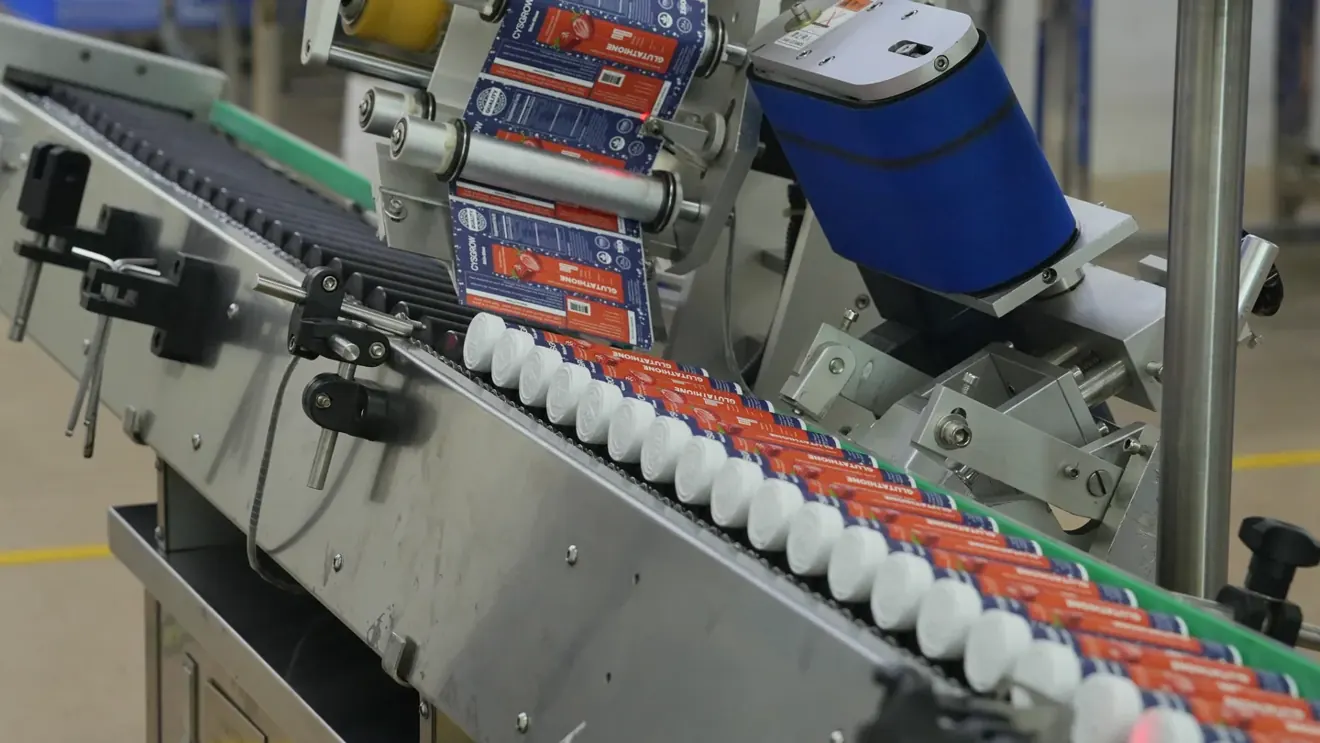
Tube labeling is one stage of the packaging process. This factory image illustrates general packaging equipment, not production of a specific creatine formula.
6. Compare Effervescent Tablets With Other Creatine Formats
Before fixing the concept, compare the format with the experience your brand wants to offer.
Format
Product concept
Main development questions
Creatine effervescent tablets
A tablet-based drink preparation format
Tablet size, serving count, taste, breakup and moisture protection
Creatine powder
A scoop, sachet or stick-pack format
Ingredient amount, powder handling, preparation and pack size
Separate tablet-and-powder kit
Components supplied together for a defined preparation routine
Instructions, component compatibility, pack layout and assembly
There is no single format that fits every brief. Compare the options against the target market, serving specification, packaging budget and intended customer routine.
An approved sample should lead to a written specification.
Before placing a production order, confirm the ingredient specifications, finished tablet dimensions, tablets per serving, preparation instructions and sample acceptance criteria.
Packaging approval should cover the tablet count, container components, label dimensions, final artwork and any custom outer packaging.
The quotation should also identify the agreed scope of testing, available documentation, order quantity and shipment arrangements. MOQ, costs and schedules are confirmed according to the project.
If the formula, serving instructions or packaging changes after approval, review whether another sample or quotation is required.
Our OEM Buyer’s Guide explains the wider process from inquiry and sampling to production and shipment.
Frequently Asked Questions
Can creatine powder simply be compressed into an effervescent tablet?
An effervescent product requires a complete formulation. The creatine ingredient must be assessed alongside the effervescent system, taste requirements, processing needs and packaging. A powder formula does not automatically transfer to a tablet.
Can one tablet contain the entire target serving?
That depends on the complete formula, finished tablet dimensions and manufacturing capability. Share the ingredient target and whether a multi-tablet serving is acceptable so the options can be reviewed.
Will creatine effervescent tablets produce a completely clear drink?
A clear drink should not be assumed. Appearance depends on the complete formulation and preparation conditions. Agree on acceptable cloudiness, foam and residue during sampling.
Can we customize the flavor, label and gift box?
Share your preferred flavor and packaging concept for review. Customization options depend on the formulation, available materials, order quantity and confirmed project scope.
What information is needed for a quotation?
Send the target market, creatine ingredient and amount per serving, preferred tablets per serving, flavor, water volume, packaging concept and estimated order quantity. If some details are undecided, identify them in the brief.
Ganguly S, Jayappa S, Dash AK. Evaluation of the stability of creatine in solution prepared from effervescent creatine formulations. AAPS PharmSciTech. 2003;4(2):E25. Read the study.
World Health Organization. The International Pharmacopoeia: Tablets. General dosage-form guidance. Read the monograph.
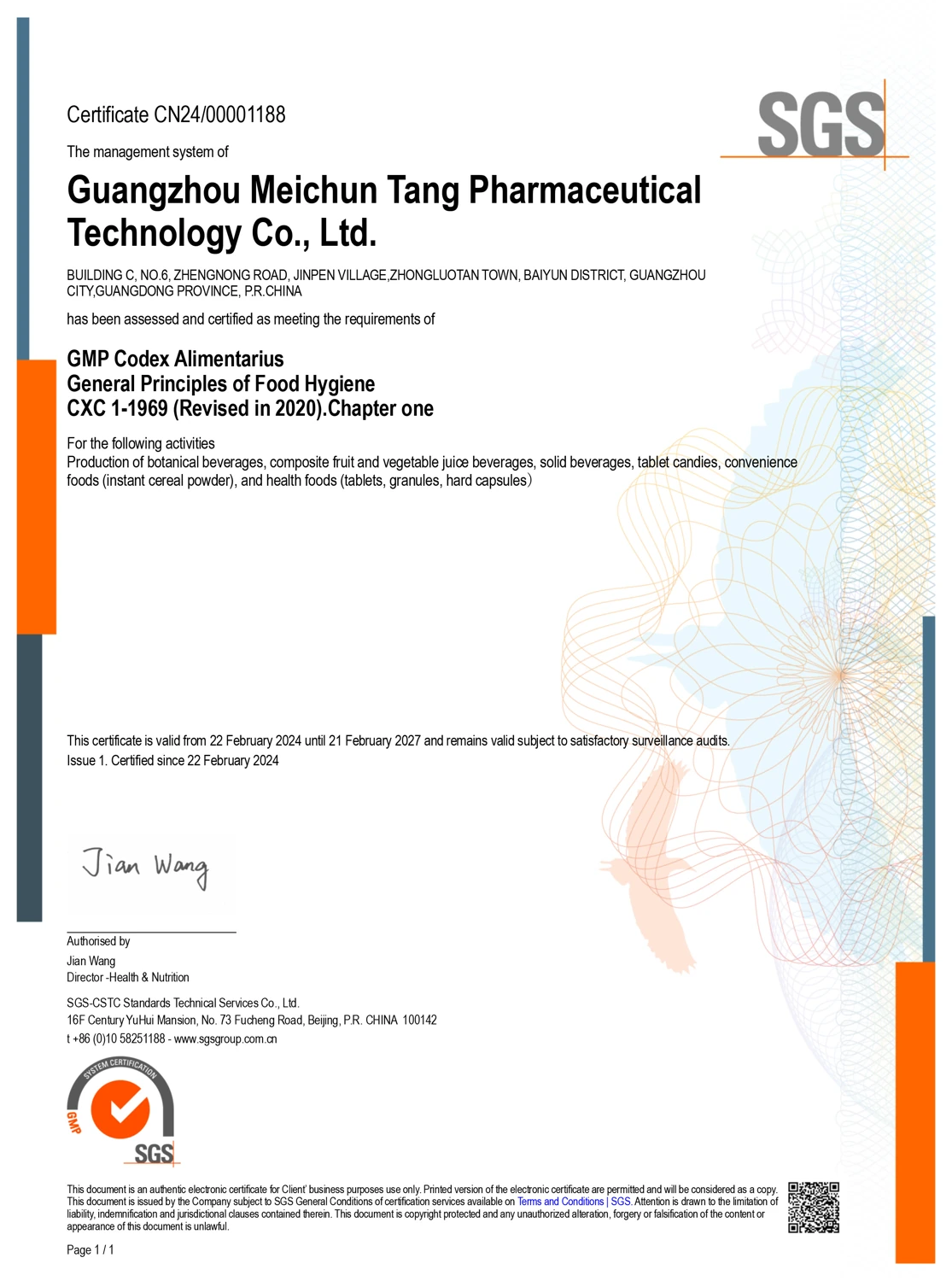
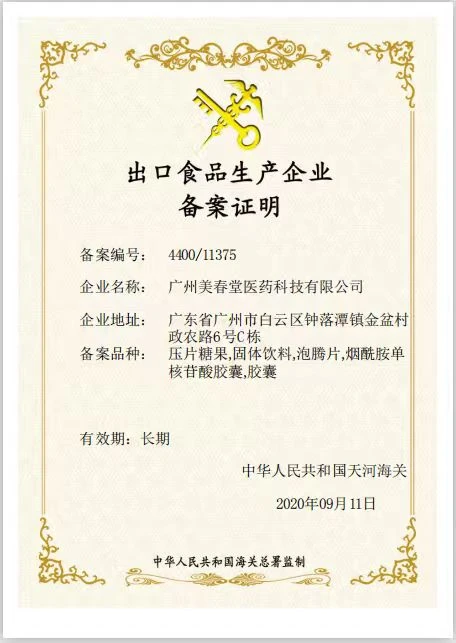
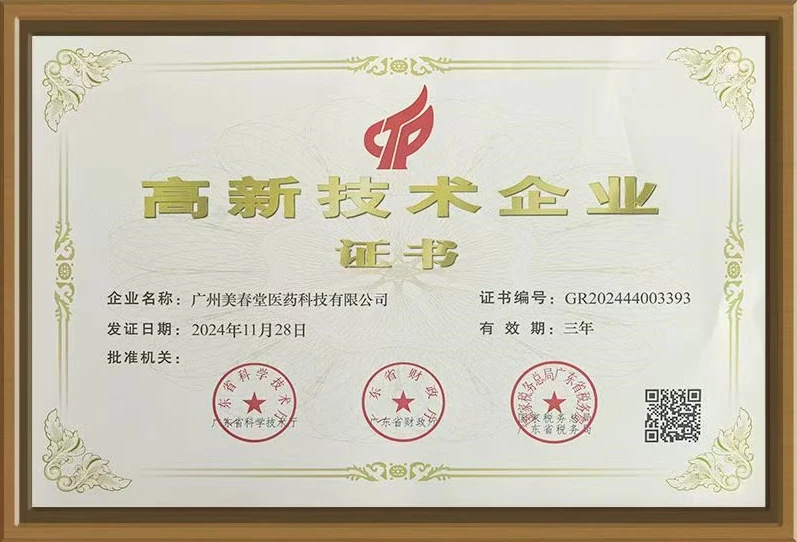
SGS GMP CertificateCodex General Principles of Food HygieneExport Food Manufacturer FilingChina CustomsHigh-Tech Enterprise CertificateGuangdong, China
Sports Nutrition OEM
How to Choose an Effervescent Tablet Manufacturer
Choosing an effervescent tablet manufacturer is a product-development decision as much as a sourcing decision. A supplier must understand your formula, serving format, preparation experience, packaging and destination market well enough to evaluate them together. A low unit price or a long equipment list cannot answer whether your specific product can be sampled, packed and documented to your requirements.
Use this checklist to compare suppliers on the same project brief, identify open questions early and make the sample review more useful.
1. Define the product before comparing suppliers
Write down the decisions that shape the tablet and the finished pack. If key details are missing, quotations may describe different products and will be difficult to compare.
Product direction: hydration, electrolyte, vitamin, creatine or another concept; identify the target consumer and sales channel.
Formula basis: list each active ingredient, its form and target amount per serving. Distinguish ingredient weight from elemental nutrient content where relevant.
Serving format: define tablets per serving, tablets per tube or retail pack, and the intended water volume.
Tablet requirements: share a target tablet size or weight if known, plus any constraints on flavor, color, sweetness or disintegration.
Market and claims: state each destination country and any label or claim requirements that your regulatory reviewer has identified.
Keep confirmed requirements separate from preferences. For example, “must provide 300 mg of a specified mineral per serving” is different from “prefer a small tablet.” This helps the manufacturer flag trade-offs instead of silently changing the brief.
2. Check relevant capability with project-specific evidence
Ask how the supplier would assess your actual formula and pack. General statements such as “we make effervescent tablets” do not show whether the proposed ingredient combination, tablet dimensions, serving count and packaging are workable together.
Project question
What to ask
Useful evidence
Formula fit
Which ingredients or target amounts need technical review before sampling?
A written feasibility review that identifies assumptions, constraints and any proposed changes for your approval.
Tablet and serving fit
What tablet weight, dimensions and tablets-per-serving are being assessed?
A sample specification or trial plan tied to your serving and pack count.
Flavor and preparation
How will flavor, sweetness, water volume and preparation conditions be compared?
Agreed sample versions and a repeatable evaluation method.
Packaging fit
Can the selected tablet count and dimensions fit the proposed pack?
A packaging specification and confirmation of components, closure and sealing approach.
Equipment can be part of the discussion, but the useful question is whether the supplier can evaluate and document the process for your defined specification. Ask what is done in-house, what is subcontracted and which project details still need confirmation.
3. Treat sampling as a defined review process
A sample should answer specific questions. Before it is prepared, agree on what versions will be compared, what may change between them and what information will accompany each version. Keep a record of the formula or sample code so feedback refers to the right version.
Set consistent preparation conditions for every sample: water volume and temperature, vessel, mixing method and observation time. Then record the points that matter to your product:
Preparation behavior: time to disintegrate, visible residue, foam and any settling after standing.
Sensory review: flavor character, sweetness, acidity, aroma and aftertaste at the intended dilution.
Tablet handling: appearance, breakage and fit within the selected tube or pack.
Acceptance criteria: what is acceptable, what needs adjustment and who approves the reference sample.
Disintegration, dissolution and dispersion describe different observations. A drink that looks clear is not a universal requirement for every formula, and a faster result in one test does not establish performance under all conditions. Define the result you need and review it with the actual formula and preparation instructions.
4. Evaluate the package as part of the product
Effervescent tablets are sensitive to moisture exposure, so package selection should be discussed with the tablet and intended use. Compare the complete pack system—container or individual wrap, closure, seal, desiccant if applicable, label and outer carton—rather than choosing from a product photo alone.
Ask the supplier to confirm the dimensions and tablet count for the proposed pack, available standard options, custom-printing requirements and any component minimums. Request the packaging material information and ask what checks are used to confirm closure or seal performance for the selected format. Storage and shelf-life statements should be supported by product- and package-relevant evidence.
A standard tube may suit one tablet size and count but not another. Printed components may also have a different minimum order quantity from the finished product. Ask for the finished-goods quantity and each packaging component quantity to be stated separately.
5. Review quality documents by scope
Ask for a document list before finalizing the quotation. Clarify which records are available for review, which are supplied with each batch and which tests would be additional services. Depending on the project, discussion may cover ingredient specifications and COAs, finished-product specifications, batch records, traceability, microbiological or contaminant testing, packaging checks and stability evidence.
Read certificates for their issuing body, scope, site and validity. A facility certificate or registration does not automatically establish that a particular product is approved for sale in every country. Confirm product classification, ingredient rules, label requirements and claims with a qualified reviewer for each target market.
For U.S. dietary supplement projects, FDA’s guidance explains that companies contracting out manufacturing still need enough information about manufacturing activities to make decisions about whether the product meets its established specifications and is suitable for release. Review the applicable requirements for your role and product; do not treat a certificate as a substitute for project-specific quality agreements and records.
6. Compare MOQ, quotation and timing on the same basis
Send the same specification to every supplier. Ask each to identify the MOQ per formula, flavor and pack configuration, then state what is included in the price. Compare the same currency, delivery term and order quantity, and list exclusions such as custom packaging, testing, artwork or freight.
Request a project-specific schedule that separates formula review, sampling, artwork and packaging approval, production and dispatch. Timing depends on the finalized formula, sample revisions, component sourcing and the destination-specific document requirements, so confirm it against the agreed project plan.
7. Use a side-by-side supplier scorecard
Score each supplier against the same criteria rather than relying on a general “best manufacturer” list. You can use a simple 1–5 scale, with 1 meaning “not demonstrated” and 5 meaning “clearly supported by project-specific information.” Leave a note beside each score so the reason is traceable.
Area
What a strong answer includes
Formula and format fit
Clear questions about ingredients, serving, tablet size and preparation, with constraints raised early.
Sampling
Identified sample versions, consistent test conditions and a documented feedback and approval step.
Packaging
Pack dimensions, component details, moisture-protection discussion and separate component minimums.
Quality and records
Documents and tests explained by scope, timing, availability and cost.
Commercial clarity
MOQ, inclusions, exclusions, delivery term, quote validity and schedule stated in writing.
Communication
Questions are answered directly, assumptions are identified and changes are confirmed in writing.
Copyable effervescent tablet project brief
Use this short brief when requesting a feasibility review or quotation:
Target market(s) and sales channel:
Product concept and intended use:
Formula or ingredient list, with amount per serving and ingredient form:
Target serving size and tablets per serving:
Target water volume and preparation instructions:
Flavor, sweetness, color and other sensory preferences:
Preferred pack, tablet count per pack and artwork status:
Requested documents or tests:
Initial order quantity and expected reorder quantity:
Target launch date and any fixed milestones:
Mark each line as confirmed, preferred or still under review. That distinction helps a supplier explain which details are needed before sampling and which can remain flexible.
Frequently asked questions
What should I ask an effervescent tablet manufacturer first?
Share the target market, formula direction, amount per serving, tablets per serving, water volume and preferred package. Then ask the supplier to identify feasibility questions and confirm what the first sample can evaluate.
Should I choose a manufacturer based on its equipment list?
Equipment information can help you understand the production setup, but it does not by itself demonstrate that your formula, tablet dimensions, packaging and quality requirements are suitable. Ask for a project-specific review and supporting process information.
Can a supplier guarantee the sample will dissolve completely?
Do not rely on an undefined guarantee. Agree on preparation conditions and an observable acceptance criterion, then assess the actual formula under those conditions. Different formulas can produce different foam, residue or dispersion behavior.
Does a GMP certificate mean my product is approved in my market?
No. Review what the certificate covers, and separately confirm the product’s classification, ingredients, label and claims for each target market with the appropriate regulatory reviewer.
Prepare your effervescent tablet project
At Meichuntang, the first discussion can start with your formula direction, serving format, target market and preferred pack. Share those details through our project inquiry form for a project-specific review. You can also explore our effervescent tablet product range and packaging options. Feasibility, MOQ, sample scope, documents and timing are confirmed against the final specification.
SGS GMP CertificateCodex General Principles of Food HygieneExport Food Manufacturer FilingChina CustomsHigh-Tech Enterprise CertificateGuangdong, China