Planning a private label creatine powder starts with more than choosing a flavor. Your brand needs to define the creatine ingredient quantity, finished powder weight, intended mixing conditions and packaging format together. These decisions shape the sample, label and quotation.
For buyers comparing creatine powder manufacturers, this guide explains what to put in an OEM brief and what to check before approving production. It focuses on product development and sourcing rather than consumer dosage advice.
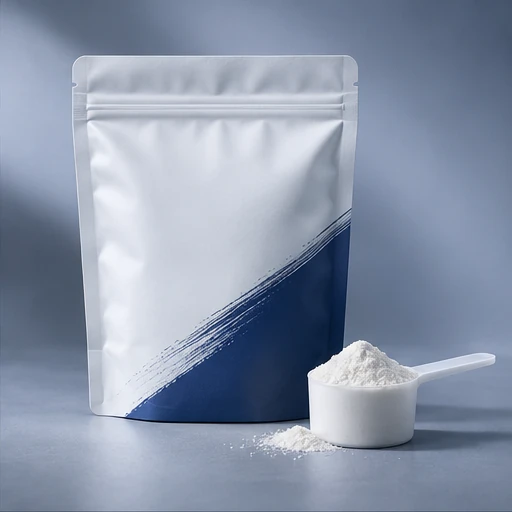
1. Start with the ingredient specification
Creatine monohydrate is a useful starting point for a sourcing brief: it is the most widely used and studied creatine form, according to the NIH Office of Dietary Supplements. That does not make every finished powder equivalent. Ingredient specifications, other ingredients and manufacturing controls still need review.
Ask the supplier to identify the ingredient form, purity specification, particle-size specification and available certificate of analysis (COA). If you require a named or trademarked raw material, state that before requesting a quote, including any authorization requirements.
Keep ingredient identity and label wording separate. A quantity of creatine monohydrate ingredient should not automatically be treated as the same declared quantity of creatine on every market’s label. Confirm the calculation basis and proposed declaration with your target-market label reviewer.
2. Choose plain or flavored creatine powder
| Product direction | What to define | What the sample should answer |
|---|---|---|
| Unflavored, single-ingredient powder | Raw material specification, target ingredient quantity and pack format. | Does its appearance, texture and behavior in the intended drink meet your expectations? |
| Flavored creatine powder | Flavor direction, sweetness, acid system, color and finished serving weight. | Is the flavor balanced at the intended water volume? Are texture and sediment acceptable? |
| Creatine with other ingredients | Each active ingredient, amount, purpose and finished blend specification. | Can the proposed blend meet taste, physical-quality, testing and market requirements? |
A flavored product needs room for ingredients beyond creatine. Flavor, sweeteners and other components change the finished powder weight and can change cost. Avoid assuming that a plain powder and a flavored blend can use the same fill weight while delivering the same quantity of creatine ingredient.
3. Separate ingredient quantity from sachet net weight
One of the most useful lines in a brief is: “Creatine monohydrate ingredient per serving: ___ g; finished powder per serving: ___ g.” Then state how many sachets, scoops or other units make up that serving.
| Illustrative calculation only | Per sachet |
|---|---|
| Creatine monohydrate ingredient | 5 g |
| All other ingredients combined | 3 g |
| Total finished powder net weight | 8 g |
This is arithmetic to explain fill weight, not a validated formula or recommended dose. If one serving contains two sachets, the brief must also distinguish the amount per sachet from the amount per serving. Never substitute total sachet weight for active-ingredient content when reviewing artwork.
For tubs or pouches supplied with a scoop, check the delivered powder mass using the actual blend. A scoop is a volume measure; its gram weight depends on the powder and how it is filled. Confirm the serving instructions against measured samples.
4. Agree on mixing conditions before judging the sample
Use the same water volume, water temperature, container and mixing method when comparing samples. Record when you assess flavor and appearance. Otherwise, two people can reach different conclusions about the same powder.
Cold and warm water can give different dissolution behavior; Creapure’s preparation guidance notes that creatine dissolves more easily in warm water. A “micronized” specification is not, by itself, a promise that the complete finished drink will look clear under every preparation condition.
- Flavor: assess flavor character, sweetness, acidity and aftertaste at the proposed dilution.
- Physical behavior: observe floating powder, lumps, sediment and any change after standing.
- Preparation: record mixing effort and the practical instructions a customer would follow.
- Acceptance criteria: agree on acceptable appearance and taste before approving the reference sample.
Ask what causes a visible change rather than assuming every deposit indicates a quality failure. The answer depends on the ingredient system and mixing conditions. Sample approval should use written criteria, with quality and safety checks handled separately.

5. Match the packaging to the product and sales channel
| Format | Buyer consideration | Details needed for a quote |
|---|---|---|
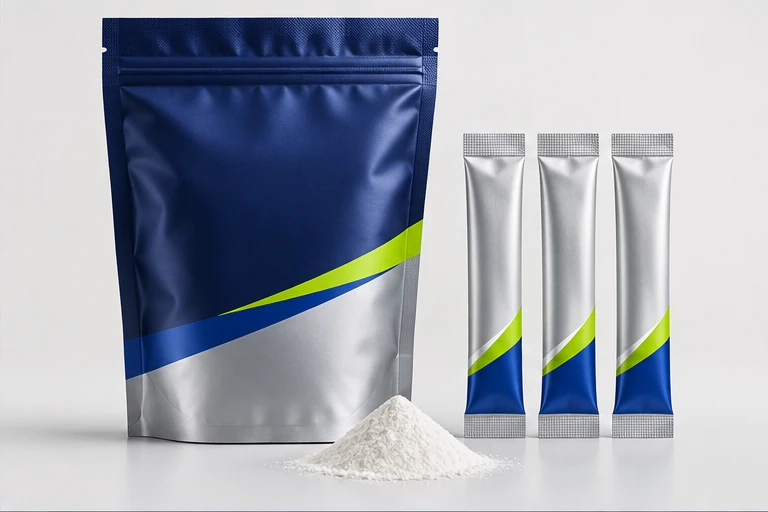
| Stick packs | Useful for portioned products and travel-oriented presentation; the powder must suit the proposed pack dimensions. | Fill weight, powder flow, stick width and length, film structure and printing. |
| Flat sachets | An alternative single-serve format when a wider presentation or different fill arrangement is preferred. | Dimensions, seal layout, fill weight, film and number of sachets per retail pack. |
| Resealable pouches | A multi-serving option; consider handling, closure and the customer’s measuring method. | Total net weight, pouch dimensions, barrier requirements, zipper and scoop. |
| Tubs | A familiar multi-serving presentation with room for labeling; check product fit and shipping volume. | Net weight, usable fill volume, tub and closure, seal, label and scoop. |
Do not select a pack only from a reference photo. Ask the manufacturer to confirm the fit using the actual powder, required fill weight and filling equipment. Moisture-barrier requirements, seal quality and storage conditions should form part of the packaging review.
Printed film, custom containers, labels and cartons can each have their own minimum order quantity. The finished-product MOQ may therefore differ from a packaging supplier’s MOQ. Read our supplement packaging overview when preparing the pack brief.
6. Ask for the quality documents your project needs
Define the required documents and tests before the quotation is finalized. Raw-material paperwork and finished-product testing answer different questions: a raw-material COA alone does not establish the content or shelf life of a flavored finished blend.
- Ingredient documents: specification, COA and traceability information for the selected raw material.
- Finished-product checks: agree on the specification, sampling approach and any required identity or content testing.
- Safety testing: confirm applicable microbiological, heavy-metal and other requirements for the formula and destination.
- Packaging and shelf life: agree on seal checks, storage conditions and the evidence supporting the proposed shelf life.
- Export and label review: identify the destination country, product category, required documents and responsible reviewer.
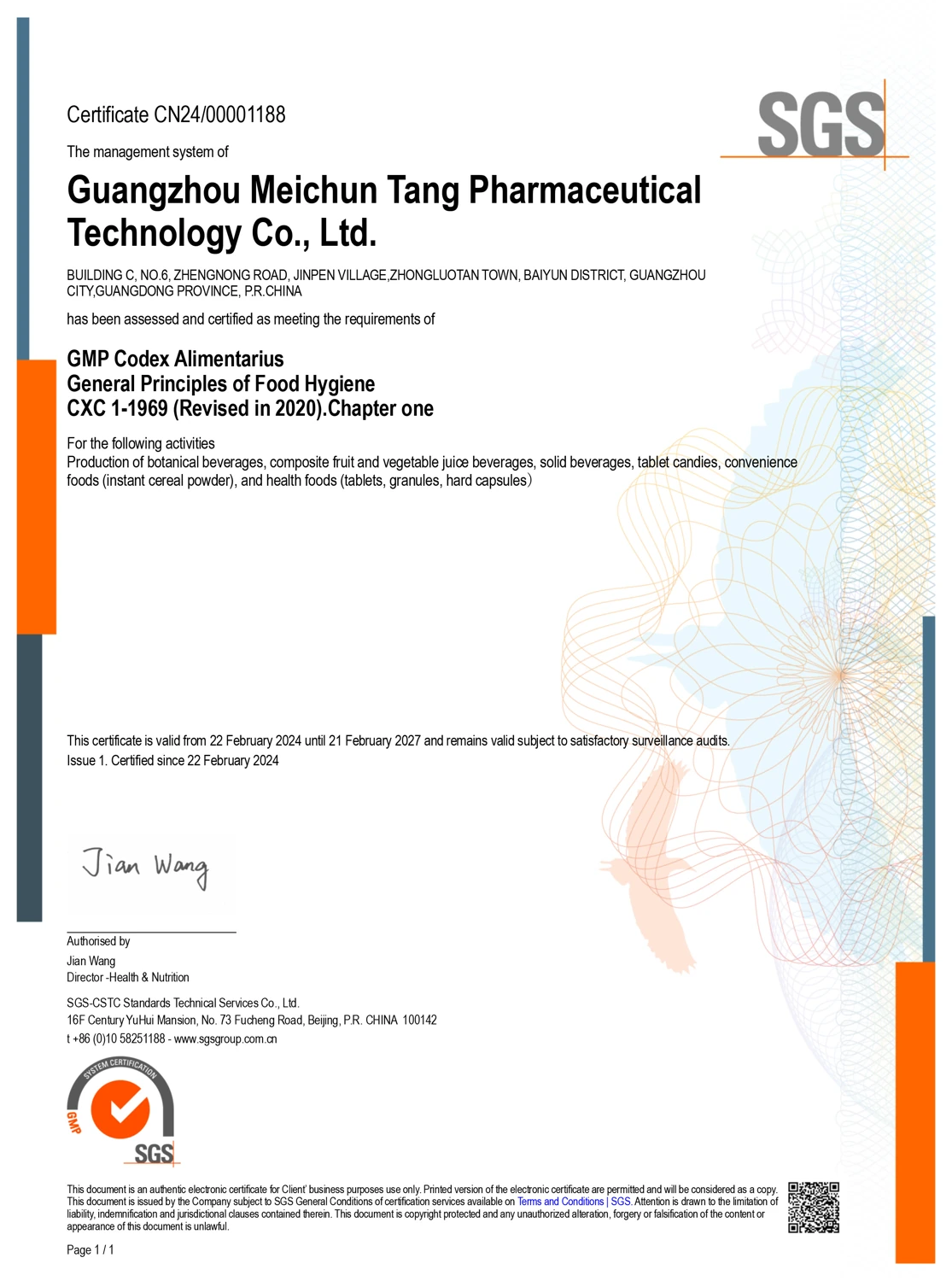
Ask whether testing is routine release testing or an additional third-party service, what it covers and whether its cost is included. A factory certificate should be reviewed for its actual scope; it does not automatically mean a particular product is authorized for sale in your destination market.
7. Send a brief that makes quotations comparable
A low headline price can exclude packaging, cartons, testing or other items that another quote includes. Send the same brief to each supplier and request an itemized quotation with the currency, delivery term, quote validity and exclusions stated.
| Brief field | What your brand should provide |
|---|---|
| Market and positioning | Destination country, sales channel and plain, flavored or blended product direction. |
| Formula basis | Ingredient form, ingredient quantities per serving, finished serving weight and units per serving. |
| Flavor and preparation | Reference flavor, sweetness preference, intended water volume and mixing method. |
| Retail pack | Stick, sachet, pouch or tub; fill weight, units per pack and artwork needs. |
| Quantity | Trial order and expected reorder quantities; ask for relevant price tiers. |
| Quality and timing | Required tests, documents, sample-review criteria and target launch date. |
At Meichuntang, start the discussion with your target market, ingredient quantity, finished fill weight and preferred pack. We can review the proposed project and clarify which formula, flavor and packaging options are feasible. MOQ, sampling schedule, testing scope and price must be confirmed for the final specification.
Frequently asked questions
Can a flavored sachet weigh more than its creatine ingredient content?
Yes. The total net weight includes the creatine ingredient and all other ingredients. The ingredient quantity, finished serving weight and number of units per serving should be stated separately.
Can you guarantee a completely clear drink?
That should be evaluated against the actual formula and agreed preparation conditions. Specify the required appearance and assess the sample at the intended dilution, temperature and mixing method before approval.
What affects the minimum order quantity?
The formula, filling setup, printed packaging and retail-pack components can all affect MOQ. Ask for a project-specific minimum and whether standard packaging offers a practical trial option.
Can one formula and label be sold in every country?
Do not assume so. Product classification, permitted ingredients and quantities, claims and labeling requirements vary by market. Identify the destination during development and arrange the relevant review before artwork approval.
Ready to prepare your creatine powder brief?
Explore our creatine monohydrate powder OEM page, then send a creatine powder project inquiry with your target market, formula direction, pack format and order quantity. Clear specifications make the next discussion more useful.
References
- NIH Office of Dietary Supplements: Dietary Supplements for Exercise and Athletic Performance — background on creatine forms.
- Creapure: How to Take Creatine — manufacturer guidance on preparation and dissolution conditions.